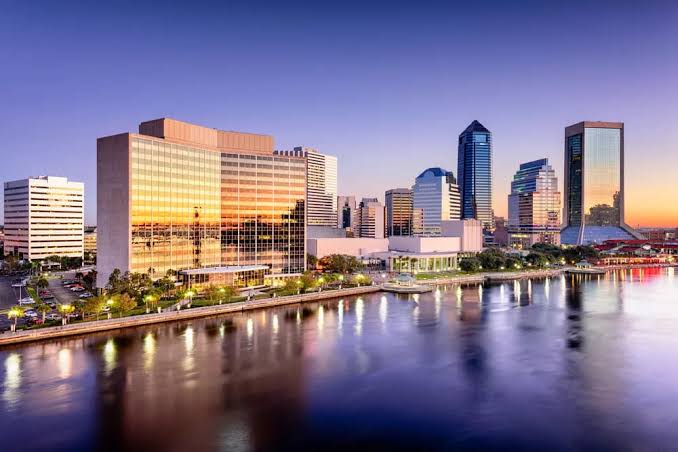
Jacksonville, FL: What Investors Should Know Before Buying a Turnkey Property in 2026
Jacksonville continues to attract real estate investors looking for a combination of population growth, rental demand, economic diversity, and long-term investment potential. As one of the largest cities in Florida by population and one of the major economic centers of the Southeast, Jacksonville offers a substantially different investment profile from smaller Florida markets.
However, investors entering Jacksonville in 2026 need to approach the market with more discipline than during the rapid-growth years of the pandemic. Housing values have softened from their recent highs, rental growth has moderated, and renters have more choices. That creates challenges, but it can also create opportunities for investors who focus on property-level fundamentals rather than simply chasing appreciation.
Affordability Creates New Opportunities for Investors
Jacksonville remains relatively affordable compared with many major Florida markets.
Zillow's latest data shows a typical Jacksonville home value of approximately $287,871, with values down 1.8% year over year as of June 2026. Homes were taking approximately 37 days to go pending.
The softer pricing environment can be beneficial for disciplined investors.
Instead of competing in an overheated market, investors may have more opportunities to:
Negotiate purchase prices
Evaluate multiple properties
Request repairs or concessions
Compare projected rental returns
Focus on properties with strong long-term fundamentals
For turnkey investors, this environment makes underwriting especially important.
The objective should not be to buy simply because prices have declined.
The objective is to identify properties where the purchase price, rental income, expenses, and condition create an attractive long-term investment.
Rental Demand Remains Important, But Investors Need to Watch Supply
Jacksonville's rental market remains active, although conditions have become more balanced.
Zillow reported an average rent of approximately $1,600 per month across all bedrooms and property types as of August 11, 2026. That figure was approximately $50 lower than a year earlier.
Realtor.com has also reported that Jacksonville's rental market has been shifting toward greater renter choice, with a vacancy rate around 10.1% in its 2026 analysis.
For investors, this means rental properties need to compete on more than price.
Well-maintained homes in desirable locations can have an advantage when tenants have multiple options.
Investors should pay particular attention to:
Property condition
Competitive rental pricing
Neighborhood quality
Floor plan
Parking
Updated kitchens and bathrooms
HVAC condition
Proximity to employment
School access when relevant to the tenant profile
Single-Family Rentals Can Offer a Different Investment Profile
Citywide rental averages can sometimes hide the differences between apartments and single-family homes.
For investors considering turnkey properties, single-family rental data is particularly important because families often prioritize space, privacy, yards, parking, and neighborhood stability.
Current Jacksonville rental-market estimates place single-family rents broadly in the $1,700 to $2,500 range depending on property size and location.
This creates opportunities for investors who can acquire properties at a reasonable price while maintaining rents that support the property's operating expenses.
The important consideration is the relationship between purchase price and achievable rent, not simply the headline rental price.
Neighborhood Selection Is Critical
Jacksonville is a large and geographically diverse market.
Investment performance can vary significantly from one neighborhood to another.
For example, Zillow's latest neighborhood-level data shows typical home values around $125,204 in East Jacksonville, while the 32223 area has typical values around $438,421.
That difference demonstrates why citywide averages are not enough when evaluating an investment.
Investors should examine:
Comparable rental properties
Historical rent levels
Neighborhood vacancy
Employment accessibility
Property taxes
Insurance costs
Flood exposure
Storm risk
Property condition
Long-term resale demand
A property that looks attractive based on Jacksonville's overall numbers may have a completely different investment profile once the specific neighborhood and expenses are considered.
Insurance and Weather Risk Need Special Attention
Florida investors have an additional expense that should never be overlooked: insurance.
Jacksonville's coastal location means investors should carefully evaluate:
Homeowners insurance premiums
Wind coverage
Flood exposure
Deductibles
Roof age
Storm-related maintenance
Drainage
Property elevation where applicable
Insurance can materially affect the cash flow of a rental property.
A property that appears to produce strong gross income may become much less attractive after realistic insurance and maintenance expenses are included.
For this reason, investors should obtain accurate insurance estimates before finalizing an acquisition.
Don't Underwrite From Gross Rent Alone
Consider a hypothetical Jacksonville turnkey property purchased for $225,000 and rented for $1,850 per month.
That produces potential gross rental income of:
$1,850 × 12 = $22,200 annually
But the investor still needs to account for:
Property taxes
Insurance
Vacancy
Property management
Routine maintenance
Capital expenditures
Leasing expenses
Financing costs
The resulting net cash flow is what should ultimately determine whether the property fits the investor's strategy.
A property with a lower purchase price is not automatically better.
Likewise, a property with higher rent is not automatically more profitable.
The best opportunity is the one where the entire operating model makes sense.
Jacksonville's Economy Supports Long-Term Rental Demand
One of Jacksonville's strongest investment characteristics is its economic diversity.
The Jacksonville metropolitan area had approximately 800,300 nonagricultural jobs in June 2026, an increase of approximately 2,600 jobs, or 0.3%, year over year.
The region benefits from employment across:
Healthcare
Logistics
Transportation
Manufacturing
Financial services
Government
Retail
Professional services
Tourism
The Atlanta Fed has also highlighted Jacksonville's employment growth in sectors including manufacturing and healthcare as one factor supporting the region's population growth.
For rental investors, economic diversity matters because housing demand does not depend entirely on one industry.
Population Growth Remains Part of the Long-Term Story
Jacksonville's long-term investment case continues to be supported by its size and regional growth.
The city had a population of approximately 950,000 in the 2020 Census, making it one of the largest cities in the Southeast.
Its broader regional economy also continues to attract residents seeking employment, relatively affordable housing, and access to Florida's lifestyle advantages.
For investors, population growth can create additional rental demand, but it should always be evaluated alongside housing supply.
More residents do not automatically mean higher rents if new construction is expanding faster than demand.
What Makes a Strong Jacksonville Turnkey Property?
For investors entering the Jacksonville market in 2026, property selection should be highly intentional.
Potential characteristics to prioritize include:
3-bedroom single-family homes
Functional layouts
Established neighborhoods
Strong comparable rental demand
Updated major systems
Newer or well-maintained roofs
Efficient HVAC systems
Manageable insurance costs
Low expected capital expenditure
Convenient access to major employment corridors
The ideal property should appeal to a broad tenant pool while maintaining manageable operating expenses.
Professional Property Management Becomes Even More Important
Jacksonville's size makes professional management particularly valuable for out-of-state investors.
A strong property management operation can help with:
Tenant screening
Rent collection
Leasing
Property inspections
Maintenance coordination
Emergency response
Lease renewals
Vacancy management
Management is especially important in a market where renters have more choices.
Fast responses, well-maintained properties, and competitive rental pricing can help reduce vacancy and protect long-term income.
What Investors Should Watch Through 2026
Jacksonville's market is transitioning from the rapid appreciation environment of the early 2020s toward a more balanced market.
Key factors to monitor include:
Rent growth
Rental vacancy
New construction
Home inventory
Insurance premiums
Property taxes
Mortgage rates
Employment growth
Population growth
Neighborhood-level appreciation
The current market does not necessarily favor investors who are looking for quick appreciation.
It may be more attractive to investors who are willing to focus on cash flow, property quality, and long-term fundamentals.
Why Jacksonville Remains Worth Watching
Jacksonville's investment story has changed, but it has not disappeared.
Home values have softened, rental growth has moderated, and renters have gained additional negotiating power. At the same time, the market continues to benefit from a large population, approximately 800,000 jobs across the metropolitan area, diversified employment, and long-term regional demand.
For turnkey investors, this creates a market where disciplined acquisition may matter more than market timing.
The strongest opportunities are likely to come from properties that combine:
Reasonable acquisition prices
Sustainable rents
Manageable insurance costs
Strong tenant demand
Limited near-term capital requirements
Professional management
Desirable long-term locations
Jacksonville may not offer the same rapid appreciation story it did several years ago, but that shift can create opportunities for investors who prioritize fundamentals over speculation.
Explore Jacksonville Investment Opportunities
Visit www.turnkeyproppro.com to review available properties, explore local market insights, and connect with our team to learn more about turnkey investing in Jacksonville, Florida.
